Frequently Asked Questions
What types of ergonomic seating options are available?
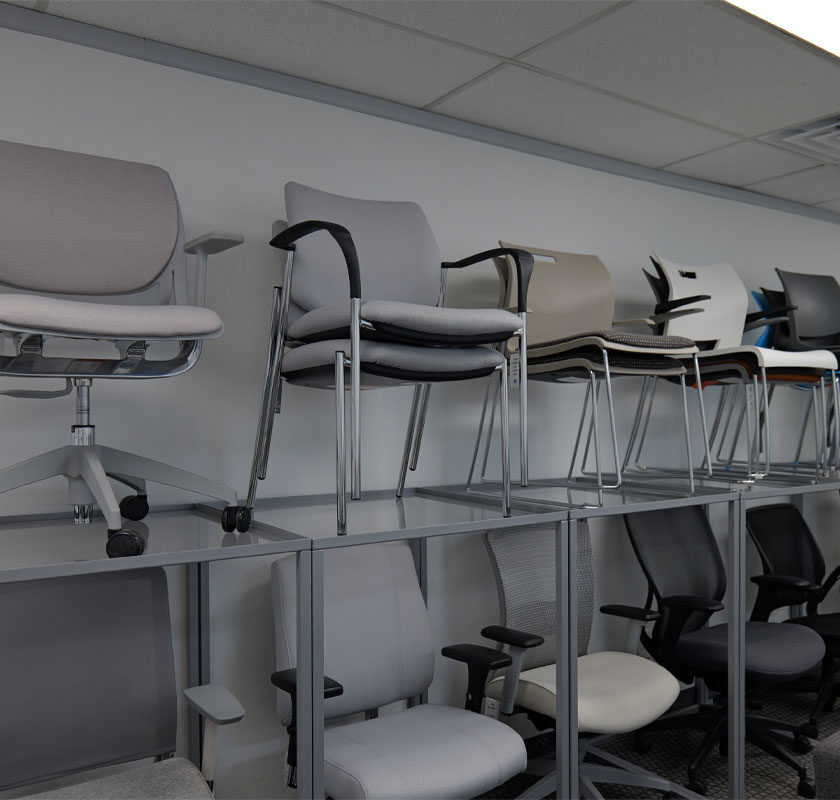
The types of ergonomic seating options available include adjustable task chairs, executive chairs, kneeling chairs, and sit-stand stools, all designed to enhance comfort and support proper posture in the workplace.
How can I choose the right desk for my office?
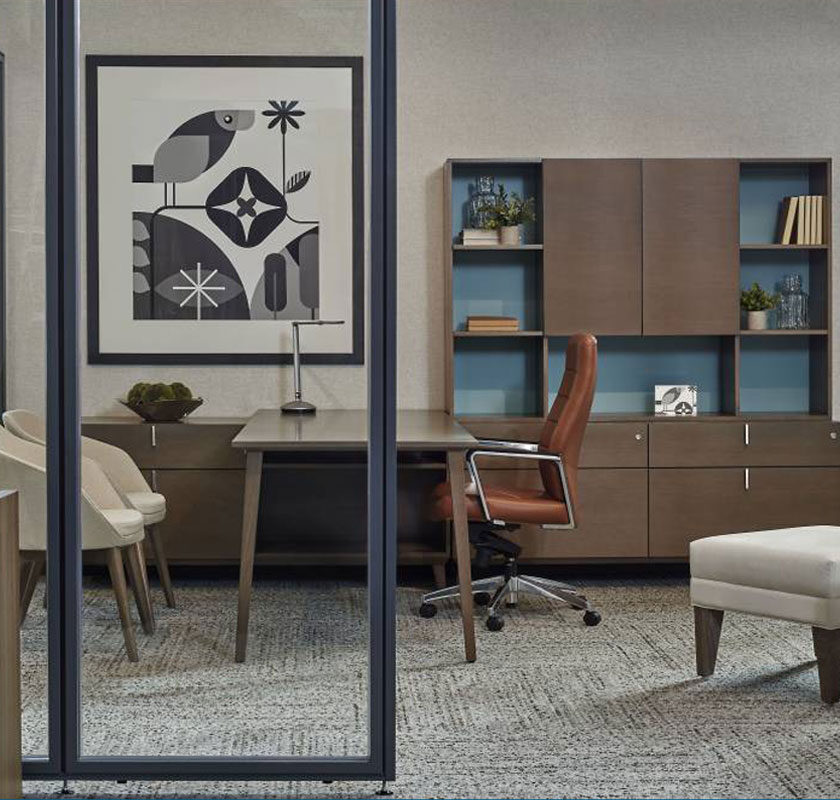
Choosing the right desk for your office involves considering your space, work style, and ergonomic needs. Evaluate size, functionality, and aesthetics to find a desk that enhances productivity and complements your workspace.
What features should I look for in workstations?
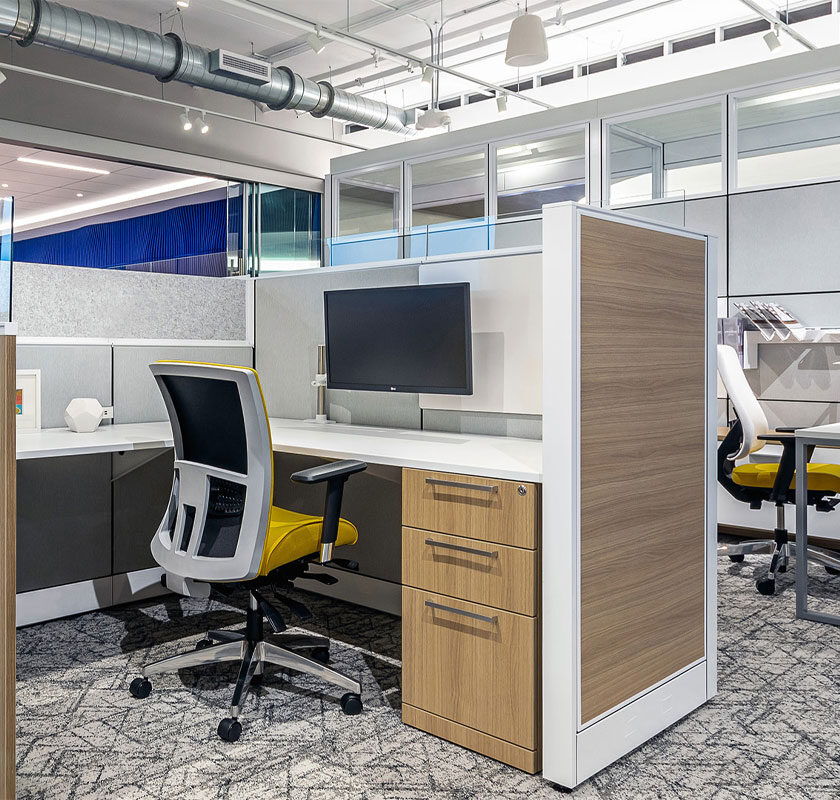
The features to look for in workstations include ergonomic design, adjustable height options, ample storage solutions, and customizable layouts to enhance productivity and comfort in diverse office environments.
Are there customization options for office furniture products?
Customization options for office furniture products are available to meet diverse business needs. We partner with over 40 manufacturers, allowing you to tailor designs, materials, and finishes to create the perfect workspace solution.
What ergonomic seating options suit my needs?
The ergonomic seating options that suit your needs include adjustable chairs that offer lumbar support, height customization, and various materials to enhance comfort. Consider your workspace requirements and personal preferences for optimal support and productivity.
How do I select an ergonomic desk?
Selecting an ergonomic desk involves considering factors such as height adjustability, workspace dimensions, and your specific work habits. Look for features that promote good posture and comfort to enhance productivity and reduce strain.
What are the benefits of ergonomic seating?
The benefits of ergonomic seating are numerous, including improved posture, reduced discomfort, and enhanced productivity. These chairs are designed to support the natural alignment of the body, helping to prevent strain and fatigue during long hours of work.
Which desk styles enhance office productivity?
Desk styles that enhance office productivity include ergonomic desks, standing desks, and modular workstations. These designs promote comfort, encourage movement, and facilitate collaboration, ultimately leading to improved focus and efficiency in the workplace.
How can I optimize my workstation layout?
Optimizing your workstation layout involves arranging your desk, chair, and equipment to enhance comfort and productivity. Focus on ergonomic positioning, minimize clutter, and ensure easy access to frequently used items to create an efficient workspace.
What materials are best for office furniture?
The best materials for office furniture include high-quality wood, durable metal, and versatile laminate. These materials offer a balance of strength, aesthetics, and functionality, ensuring longevity and style in various workspaces.
Are there eco-friendly office furniture options?
Eco-friendly office furniture options are available at Total Office Interiors, featuring sustainable materials and environmentally conscious designs. Our curated selection includes products that prioritize both functionality and sustainability, helping businesses create greener workspaces.
How do I maintain ergonomic seating?
Maintaining ergonomic seating involves regularly adjusting the chair’s height, lumbar support, and armrests to fit your body. Additionally, keep the chair clean and check for any wear or damage to ensure optimal comfort and support.
What storage solutions complement workstations?
Storage solutions that complement workstations include filing cabinets, mobile pedestals, shelving units, and storage lockers. These options enhance organization and accessibility, ensuring a clutter-free workspace that promotes productivity and efficiency.
How can I customize my office furniture?
Customizing your office furniture is simple with Total Office Interiors. You can choose from a variety of styles, colors, and materials to create furniture that fits your specific workspace needs and aesthetic preferences.
What is the ideal desk height for ergonomics?
The ideal desk height for ergonomics is typically between 28 to 30 inches from the floor, allowing your elbows to rest comfortably at a 90-degree angle while typing. This height promotes good posture and reduces strain on your back and neck.
How do I choose office furniture for small spaces?
Choosing office furniture for small spaces involves selecting multifunctional pieces that maximize utility without overcrowding. Opt for compact designs, such as foldable desks and stackable chairs, to create an efficient and stylish workspace.
What features improve workstation functionality?
The features that improve workstation functionality include ergonomic designs, adjustable height options, ample storage solutions, and integrated technology support, all of which enhance comfort, productivity, and flexibility in various work environments.
How can I enhance comfort in my office?
Enhancing comfort in your office involves selecting ergonomic furniture, such as adjustable chairs and desks, optimizing lighting, and incorporating personal touches like plants and decor to create a pleasant and functional workspace.
What are the latest trends in office furniture?
The latest trends in office furniture include a focus on ergonomic designs, sustainable materials, and flexible workspaces that promote collaboration and wellness. Additionally, technology integration and customizable solutions are becoming increasingly popular to meet diverse business needs.
How do I assess the quality of office furniture?
Assessing the quality of office furniture involves checking the materials used, construction methods, and durability. Look for solid wood or high-grade metals, sturdy joints, and warranties that reflect the manufacturer's confidence in their products.
What accessories improve ergonomic workstations?
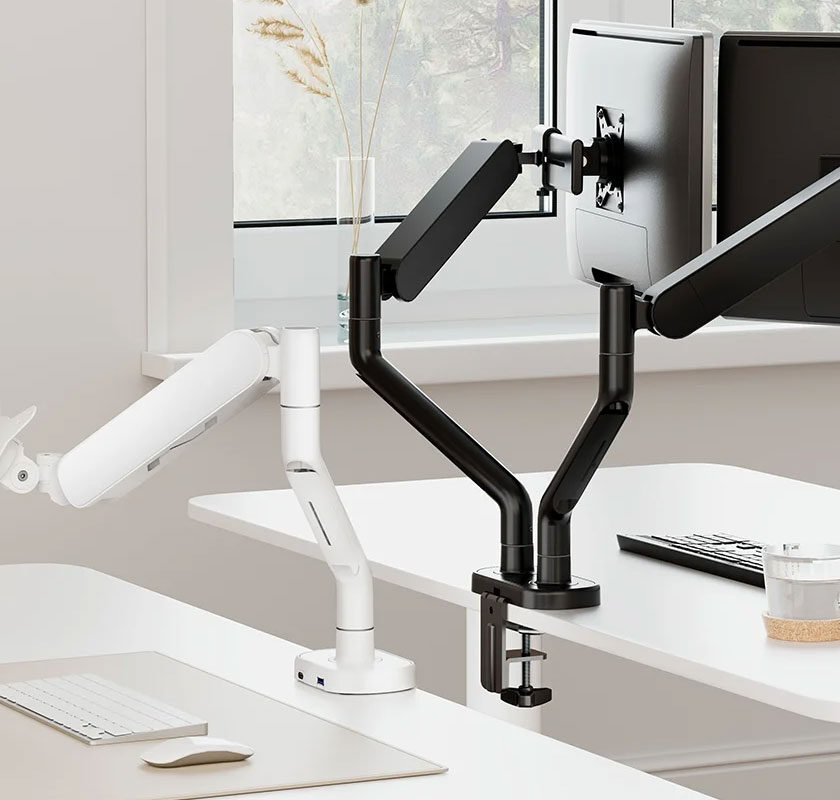
Accessories that improve ergonomic workstations include adjustable keyboard trays, monitor stands, ergonomic mouse pads, and sit-stand converters. These tools help promote proper posture, reduce strain, and enhance overall comfort during work.
How can I create a collaborative workspace?
Creating a collaborative workspace involves designing an environment that encourages teamwork and communication. Incorporate flexible furniture arrangements, communal areas, and technology that facilitates interaction to enhance collaboration among team members.
What are the best practices for office furniture arrangement?
The best practices for office furniture arrangement include creating clear pathways for movement, ensuring ergonomic setups for comfort, and arranging furniture to foster collaboration while maintaining privacy. Prioritize functionality and style to enhance productivity.
How do I choose colors for office furniture?
Choosing colors for office furniture involves considering your brand identity, the mood you want to create, and the overall aesthetic of your workspace. Opt for colors that promote productivity and complement your existing decor.
What ergonomic features should I prioritize?
The ergonomic features to prioritize include adjustable seating, lumbar support, desk height adjustability, and armrest positioning. These elements help promote comfort, reduce strain, and enhance productivity in your workspace.
How can I ensure my desk is adjustable?
To ensure your desk is adjustable, look for models specifically labeled as height-adjustable or sit-stand desks. Verify their specifications and features, and consider testing the mechanism for ease of use before purchasing.
What are the advantages of modular workstations?
The advantages of modular workstations include flexibility, allowing for easy reconfiguration to adapt to changing needs, efficient space utilization, and the ability to customize designs to enhance collaboration and productivity within various office environments.
How do I evaluate office furniture manufacturers?
Evaluating office furniture manufacturers involves assessing their product quality, customization options, reputation, and customer service. Consider their partnerships, reviews, and warranties to ensure they meet your workspace needs effectively.
What is the lifespan of ergonomic office furniture?
The lifespan of ergonomic office furniture typically ranges from 5 to 15 years, depending on the quality of materials, usage, and maintenance. Investing in high-quality options can extend this lifespan significantly.
How can I incorporate technology into my workstation?
Incorporating technology into your workstation can enhance productivity and efficiency. Consider adding ergonomic accessories like adjustable monitor stands, utilizing smart desks that allow for height adjustments, and integrating wireless charging stations for devices to create a seamless work environment.