Frequently Asked Questions
What are the steps involved in the office design process?
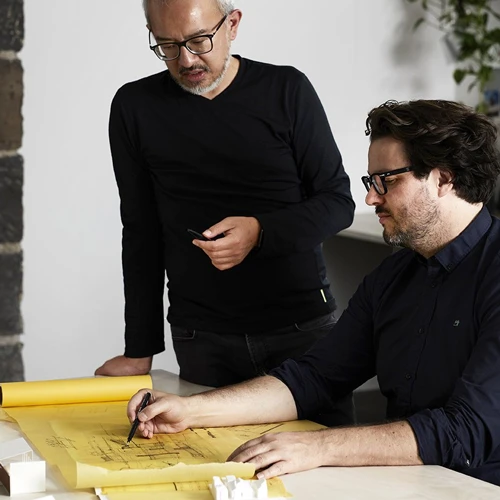
The steps involved in the office design process include initial consultation to understand client needs, space planning, design development, project coordination, and finally, delivery and installation to create a functional and aesthetically pleasing workspace.
How does professional installation contribute to the overall project success?
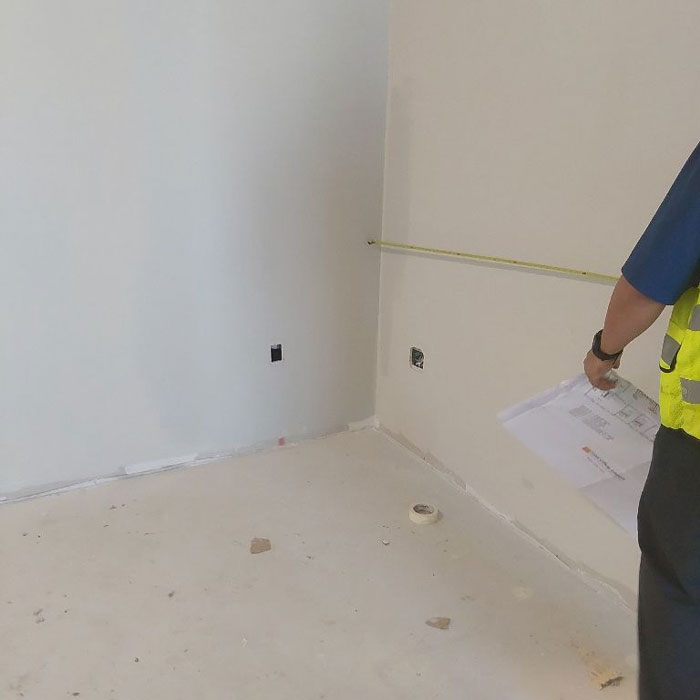
Professional installation significantly contributes to overall project success by ensuring that furniture and design elements are expertly placed, maximizing functionality and aesthetics while minimizing potential issues. This attention to detail enhances the workspace's efficiency and longevity.
What are the key phases of office design?
The key phases of office design include initial consultation to understand client needs, effective space planning, design development, project coordination, and finally, delivery and installation, ensuring a seamless transition to the new workspace.
How do you assess client needs in design?
Assessing client needs in design involves a comprehensive consultation process where we engage with clients to understand their goals, preferences, and workspace requirements. This ensures tailored solutions that enhance functionality and aesthetics.
What tools aid in office space planning?
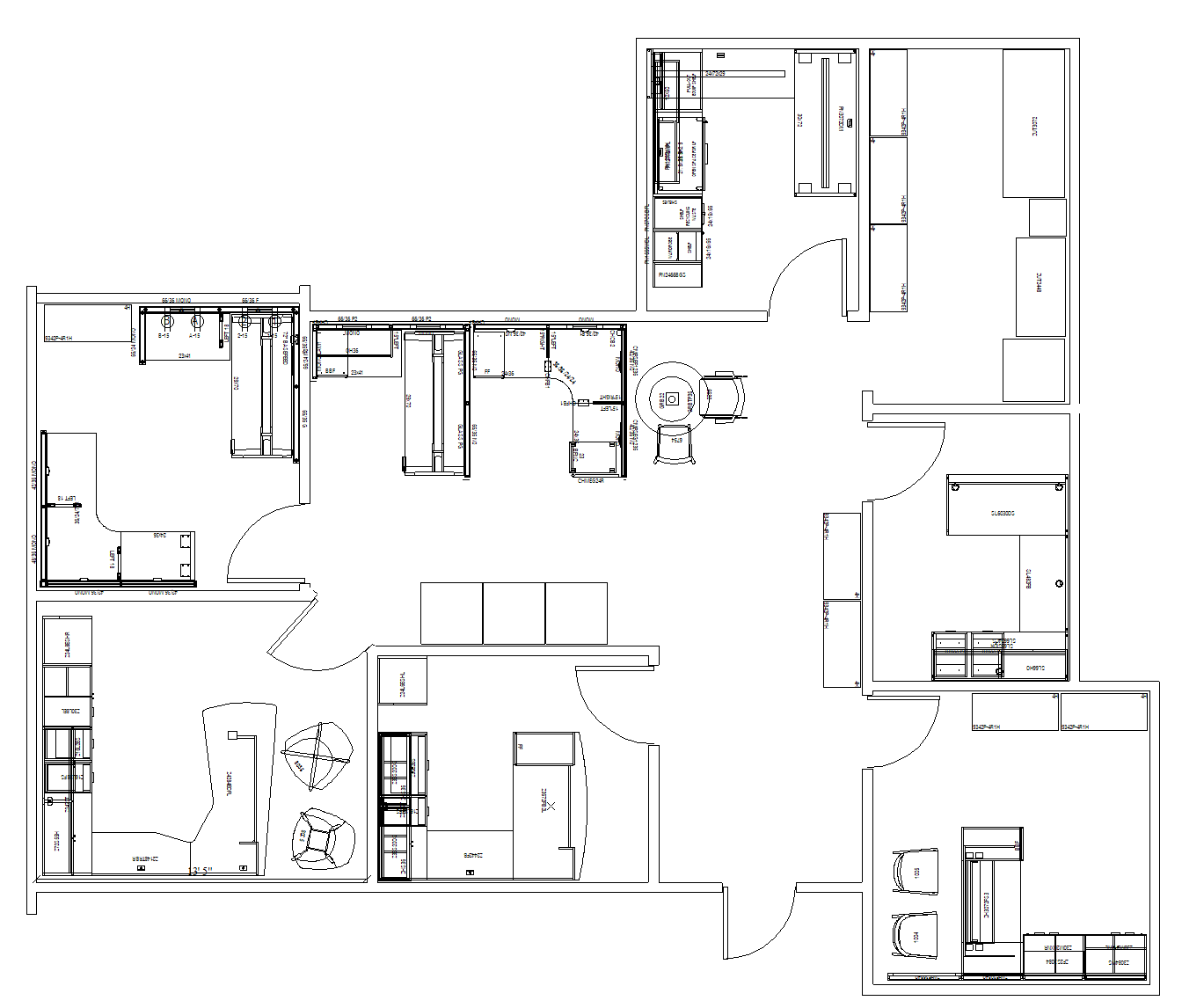
Tools that aid in office space planning include design software like AutoCAD and SketchUp, which help visualize layouts, as well as space management tools that analyze usage patterns and optimize furniture arrangements for efficiency and aesthetics.
How is furniture selection determined in projects?
Furniture selection in projects is determined by understanding client needs, space requirements, and design aesthetics. Our team collaborates with clients to choose furniture that enhances functionality and complements the overall office environment.
What factors influence office layout decisions?
The factors influencing office layout decisions include the nature of the work, employee collaboration needs, available space, furniture selection, and organizational culture. These elements help create a functional and efficient workspace tailored to client requirements.
How do you ensure effective project coordination?
Effective project coordination is ensured through meticulous planning, clear communication, and regular updates. Our dedicated team collaborates closely with clients and contractors, managing timelines and resources to deliver a seamless office design experience.
What role does client feedback play in design?
Client feedback plays a crucial role in design by ensuring that the final workspace aligns with the client's vision and functional needs. It helps refine concepts, enhances collaboration, and ultimately leads to a more satisfactory and effective office environment.
How is the installation process managed?
The installation process is managed through careful planning and coordination. Our team oversees each step, ensuring that timelines are met, and all installations adhere to the highest quality standards for a seamless transition into your new workspace.
What are common challenges in office design?
Common challenges in office design include balancing functionality with aesthetics, accommodating diverse work styles, optimizing space utilization, ensuring compliance with regulations, and managing budget constraints while meeting client expectations.
How do you measure project success post-installation?
Measuring project success post-installation involves assessing client satisfaction, functionality of the workspace, and overall productivity improvements. We gather feedback and conduct evaluations to ensure the design meets the intended goals and supports ongoing business needs.
What materials are preferred for office furniture?
The preferred materials for office furniture include durable options like wood, metal, and high-quality laminates, which provide both functionality and style while ensuring longevity and ease of maintenance in a professional workspace.
How do you incorporate branding into office design?
Incorporating branding into office design involves integrating a company’s visual identity and values into the workspace. This is achieved through color schemes, signage, furniture choices, and layout that reflect the brand's personality, creating a cohesive and engaging environment.
What is the timeline for a typical project?
The timeline for a typical project with Total Office Interiors varies based on the scope and complexity, but generally ranges from 4 to 12 weeks from initial consultation to final installation.
How do you handle unexpected design changes?
Handling unexpected design changes is an integral part of our process. We prioritize open communication with clients, ensuring that any alterations are discussed promptly and effectively integrated into the project, maintaining both functionality and aesthetics.
What are the benefits of professional installation?
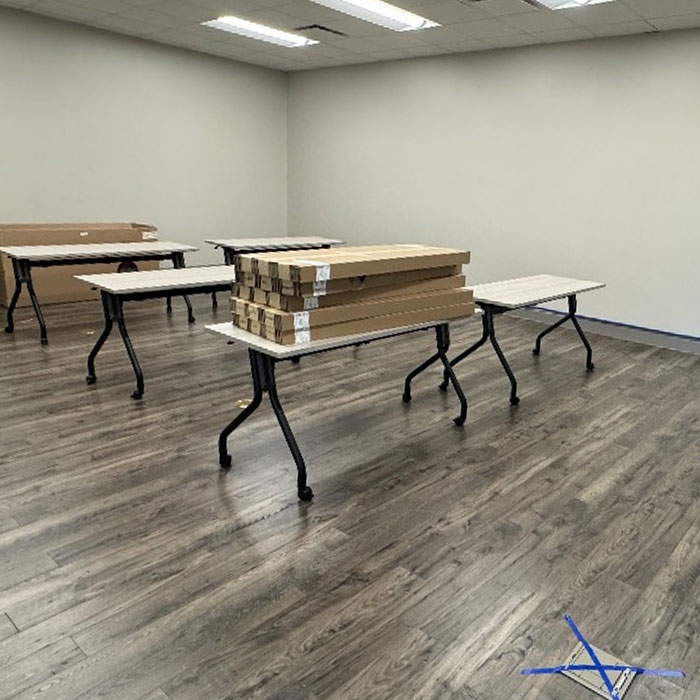
The benefits of professional installation include expert handling of furniture and equipment, ensuring optimal layout and functionality, and saving time for your team. This leads to a seamless setup, enhancing the overall efficiency of your workspace.
How do you ensure compliance with safety standards?
Ensuring compliance with safety standards involves a thorough assessment of regulations, regular training for our team, and meticulous adherence to industry guidelines throughout the design and installation processes.
What is the importance of ergonomic design?
The importance of ergonomic design lies in its ability to enhance comfort, boost productivity, and reduce the risk of injury in the workplace. By prioritizing user well-being, ergonomic design fosters a healthier and more efficient work environment.
How do you optimize space for collaboration?
Optimizing space for collaboration involves creating flexible layouts that encourage interaction, integrating communal areas with comfortable seating, and utilizing technology to facilitate communication. This approach fosters teamwork and enhances productivity within the workspace.
What trends are influencing modern office design?
The trends influencing modern office design include an emphasis on flexibility, sustainability, and employee well-being. Open layouts, biophilic design, and the integration of technology are key elements shaping functional and inspiring workspaces.
How do you balance aesthetics and functionality?
Balancing aesthetics and functionality involves integrating visually appealing design elements with practical workspace needs. At Total Office Interiors, we prioritize understanding client requirements to create environments that inspire while ensuring optimal usability and efficiency.
What is the role of technology in office design?
The role of technology in office design is crucial as it enhances functionality, improves collaboration, and supports innovative workspace solutions. Integrating smart systems and tools fosters efficiency and adaptability, ultimately creating a more productive work environment.
How do you create a sustainable office environment?
Creating a sustainable office environment involves incorporating eco-friendly materials, optimizing energy efficiency, and implementing waste reduction practices. This ensures a healthier workspace while minimizing the environmental impact of your office design.
What are the steps for post-installation support?
The steps for post-installation support include conducting a follow-up assessment, addressing any concerns, providing maintenance guidance, and ensuring client satisfaction through ongoing communication and assistance as needed.
How do you evaluate the effectiveness of a design?
The effectiveness of a design is evaluated by assessing its functionality, aesthetics, user satisfaction, and how well it meets the client's objectives and needs, ensuring it enhances the overall workspace experience.
What is the process for selecting contractors?
The process for selecting contractors involves assessing project requirements, researching potential candidates, reviewing their qualifications and experience, obtaining and comparing bids, and ultimately choosing a contractor who aligns with your project goals and budget.
How do you manage client expectations throughout?
Managing client expectations throughout the project involves clear communication, regular updates, and thorough understanding of their needs. We ensure transparency at each stage, fostering trust and alignment to deliver a successful office design experience.
What are the best practices for office design?
The best practices for office design include understanding employee needs, ensuring effective space planning, incorporating flexible workspaces, utilizing natural light, and selecting ergonomic furniture to enhance productivity and well-being.
How do you ensure a seamless installation experience?
To ensure a seamless installation experience, we meticulously plan each project, coordinate logistics, and communicate closely with our clients throughout the process, guaranteeing that every detail is addressed for a smooth transition into your new office space.