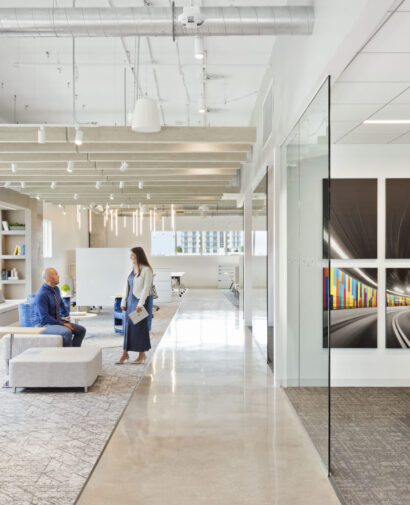
The TOI Guide to Identifying Office Furniture from Our 50+ Top Brands
Elevate your workspace with the TOI Guide, showcasing office furniture solutions from over 50 top brands. Find the perfect fit for productivity and style.

Are you Planning to Build or Renovate your Home? Let’s Talk!Talk Now! Â
Get Architecture Consulting206 Mail Parking Nuages, 14529 Levallois-Perret, France.
Mail: Maikoarchitecture@gmail.com
Phone number: +8120-360-4027
Monday - Friday: 8.00am - 6.00pm
Saturday:9.00am - 5.30pm
Holiday: Closed
Are you Planning to Build or Renovate your Home? Let’s Talk!
Get Architecture Consulting206 Mail Parking Nuages, 14529 Levallois-Perret, France.
Mail: Maikoarchitecture@gmail.com
Phone number: +8120-360-4027
Monday - Friday: 8.00am - 6.00pm
Saturday:9.00am - 5.30pm
Holiday: Closed
This guide examines industries and career paths for architecturegraduates, as well as resources that can help professionals.
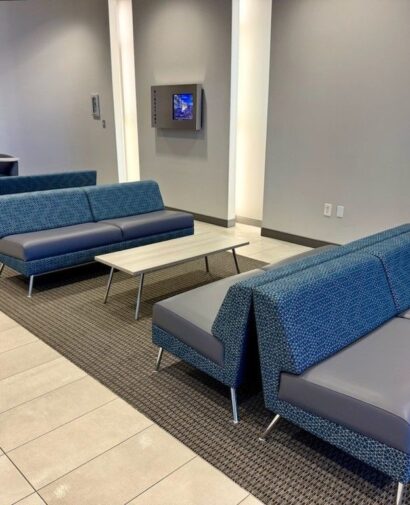
Choosing the right office furniture type is crucial for creating an efficient workspace. Different types of furniture serve various purposes, from desks and chairs to storage solutions and collaborative spaces.
For instance, ergonomic chairs promote comfort during long working hours, while modular desks can adapt to different work styles and team sizes. Understanding these types can help you select pieces that not only fit your aesthetic but also enhance productivity.
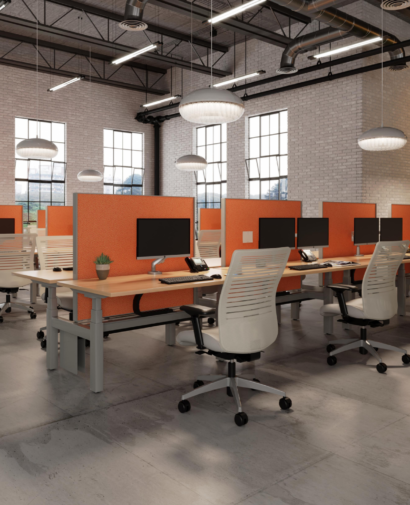
Investing in ergonomic office furniture can significantly improve employee well-being and productivity. Ergonomic designs are tailored to support the natural posture of the body, reducing strain and discomfort during work hours.
Research shows that companies that prioritize ergonomic solutions often experience lower absenteeism and higher job satisfaction. For example, adjustable desks allow employees to alternate between sitting and standing, promoting better health and focus throughout the day.
Staying updated with the latest office furniture trends can help you create a workspace that is not only functional but also visually appealing. Current trends emphasize flexibility, sustainability, and technology integration.
For example, the rise of biophilic design incorporates natural elements into the workplace, fostering a calming environment. Additionally, smart furniture solutions equipped with technology can enhance connectivity and collaboration among teams.
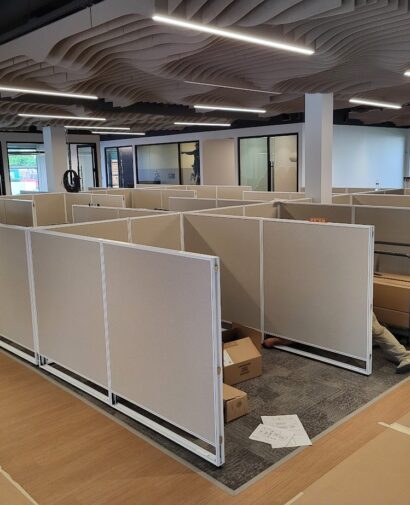
Selecting the right office furniture involves assessing both your space and the specific needs of your team. Key factors to consider include the layout of the office, the number of employees, and the types of tasks performed.
For instance, an open-plan office may benefit from collaborative furniture arrangements, while private offices may require more traditional setups. Conducting a needs assessment can guide you in making informed choices that optimize your workspace.

Choosing the right office furniture type is crucial for creating an efficient workspace. Different types of furniture serve various purposes, from desks and chairs to storage solutions and collaborative spaces.
For instance, ergonomic chairs promote comfort during long working hours, while modular desks can adapt to different work styles and team sizes. Understanding these types can help you select pieces that not only fit your aesthetic but also enhance productivity.
Investing in ergonomic office furniture can significantly improve employee well-being and productivity. Ergonomic designs are tailored to support the natural posture of the body, reducing strain and discomfort during work hours.
Research shows that companies that prioritize ergonomic solutions often experience lower absenteeism and higher job satisfaction. For example, adjustable desks allow employees to alternate between sitting and standing, promoting better health and focus throughout the day.
Staying updated with the latest office furniture trends can help you create a workspace that is not only functional but also visually appealing. Current trends emphasize flexibility, sustainability, and technology integration.
For example, the rise of biophilic design incorporates natural elements into the workplace, fostering a calming environment. Additionally, smart furniture solutions equipped with technology can enhance connectivity and collaboration among teams.
Selecting the right office furniture involves assessing both your space and the specific needs of your team. Key factors to consider include the layout of the office, the number of employees, and the types of tasks performed.
For instance, an open-plan office may benefit from collaborative furniture arrangements, while private offices may require more traditional setups. Conducting a needs assessment can guide you in making informed choices that optimize your workspace.